Buying
When an Extended Car Warranty Is Worth It (And When to Walk Away)
Extended coverage genuinely pays off in a narrow set of situations. Here's the framework I use to decide, plus the scripts for declining at the F&I desk.

By Marcus Hale
Published 22 March 2026 · Updated 10 June 2026 · 8 min read

An extended warranty is, statistically, a losing bet for the average car owner. The administrator builds in a profit margin, the insurer behind them builds in a profit margin, and the dealer marks it up on top. On average, you pay more than you get back. That's how the product can exist.
"Statistically a losing bet" doesn't mean "always a bad decision," though. Insurance is rarely about average outcomes — it's about whether you can absorb a bad outcome. Here's the framework I actually use.
When it's genuinely worth it
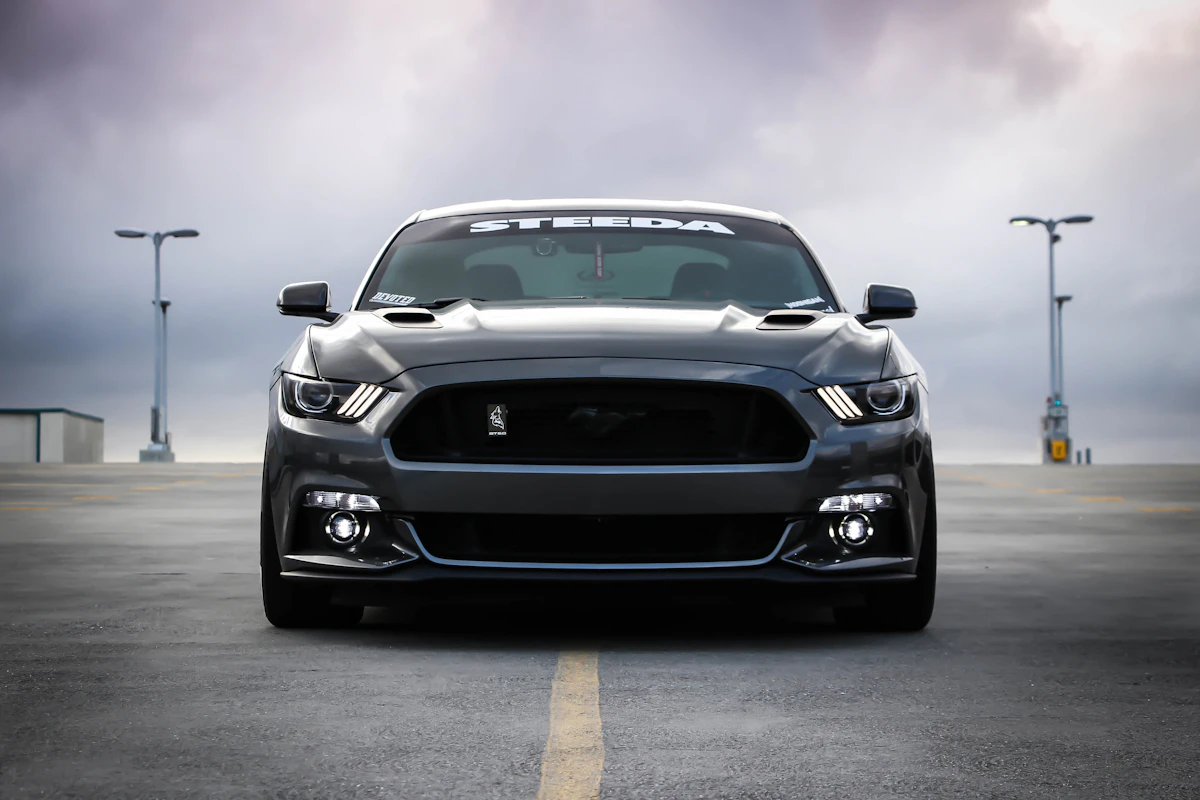
Coverage tends to make sense when several of these are true: you're buying a used vehicle from a brand or model with documented expensive failures (certain German turbos, specific CVTs, complex AWD systems), you plan to keep the car well past the factory warranty, a $3,000 to $5,000 surprise repair would seriously hurt your finances, and you can get the plan from a reputable administrator for a reasonable price (not the F&I opening number).
It's also more defensible on heavily-electronic vehicles where module replacements can run thousands of dollars per failure.
When to skip it
Skip it when you're buying a new mainstream vehicle with a long factory powertrain warranty already (most modern Toyotas, Hondas, Kias, Hyundais), when you tend to trade cars every 3 to 4 years, when you have an emergency fund that could absorb a major repair, or when the only quote you have is the F&I desk opening number. Buying coverage later, from an independent broker, is almost always cheaper.
Self-insuring as the alternative
If you skip the warranty, take the money you would have spent and move it into a savings account labeled "car repair." If a major repair never happens, the money is still yours. If it does, you're covered. Over the lifetime of two or three cars, most people come out ahead this way.
What to say at the F&I desk
You don't owe the finance manager an explanation. "No, thank you. I've decided I'm not buying any add-ons today." Repeat as needed. If they keep pushing, ask them to put the price and plan details in writing so you can review at home. A reputable dealer will do this. If they refuse, that tells you what you needed to know.
Three buyer profiles where the math works
I'll give you three real profiles, drawn from customers I've worked with, where buying made sense and the coverage paid out. The first was a retired schoolteacher driving a 2017 Volkswagen Tiguan she'd bought used at 38,000 miles. The 2.0T engine in that generation has a known timing chain tensioner issue, the failure typically lands somewhere between 80,000 and 110,000 miles, and the repair runs $2,400 to $3,800 depending on collateral damage. She paid $1,950 for an exclusionary plan from a reputable administrator. The tensioner went at 94,000 miles. The plan covered $3,100 of a $3,400 repair. She was net ahead by year four.
The second was a delivery driver running a 2018 Ford F-150 with the 3.5L EcoBoost. High-mileage truck, demanding duty cycle, expensive turbos. He bought a $2,800 plan covering powertrain and electrical at 65,000 miles. By 110,000 he'd had a turbo replacement, a fuel pump, and a transmission valve body issue, all covered, with total claim payouts around $7,200. The deductibles he paid added up to about $400.
The third was a software engineer with a 2016 BMW X5 diesel — exactly the kind of vehicle that statistically loses money for the administrator. Out-of-warranty diesel emissions repairs are gut-punch expensive. The DEF heater alone is over $2,000 in many shops. He bought an exclusionary plan with comprehensive electronics coverage at 60,000 miles. Two emissions repairs and a turbo actuator later, the math was decisively in his favor. The pattern across all three: known-issue vehicles, bought before any symptoms appeared, with coverage from administrators that pay reliably. Outside that pattern, the average buyer pays more than they get back. Inside it, the math can work cleanly.
Key takeaways
- On average, extended warranties are a losing bet — that's how the product exists.
- They make most sense for long-term ownership of complex used vehicles.
- If you skip coverage, move the equivalent money into a dedicated repair fund.
- You don't need to justify declining at the F&I desk — a polite, firm 'no' is enough.
Frequently asked questions
- Do new cars need an extended warranty?
- Usually not. Most modern mainstream cars come with a 3-year/36,000-mile bumper-to-bumper and a 5-year/60,000-mile powertrain warranty. Some brands offer 10-year/100,000-mile powertrain coverage. By the time the factory coverage runs out, you'll have a much better sense of whether the specific car needs extra protection.
- What's the best time to buy an extended warranty if I decide I want one?
- Before the factory bumper-to-bumper coverage expires — that's when prices and acceptance are best. You don't have to buy at the dealership; independent brokers sell the same plans, usually cheaper.
References & further reading
Continue reading
Related guides

Extended Car Warranty: What It Actually Covers in 2026
Before you compare quotes, you need to know what type of coverage you're actually being sold. Here's the difference between the four main contract structures.
10 min read · Updated 24 Jun 2026

What Extended Car Warranties Actually Cost (And How Dealers Mark Them Up)
Extended warranty pricing is one of the least transparent corners of car buying. Here's what's realistic and how the F&I markup actually works.
8 min read · Updated 15 Jun 2026

Should You Buy an Extended Warranty at the Dealership? (Usually Not)
The dealer isn't the only place that sells coverage on your car, and it's almost never the cheapest. Here's how to tell when their offer is worth taking anyway.
8 min read · Updated 13 Jun 2026