Claims
Six Mistakes That Get Warranty Claims Denied (And How to Avoid Them)
Almost every denied claim I've seen traces back to one of six avoidable mistakes. Knowing them ahead of time keeps you out of the appeals process entirely.

By Marcus Hale
Published 10 June 2026 · Updated 23 June 2026 · 9 min read
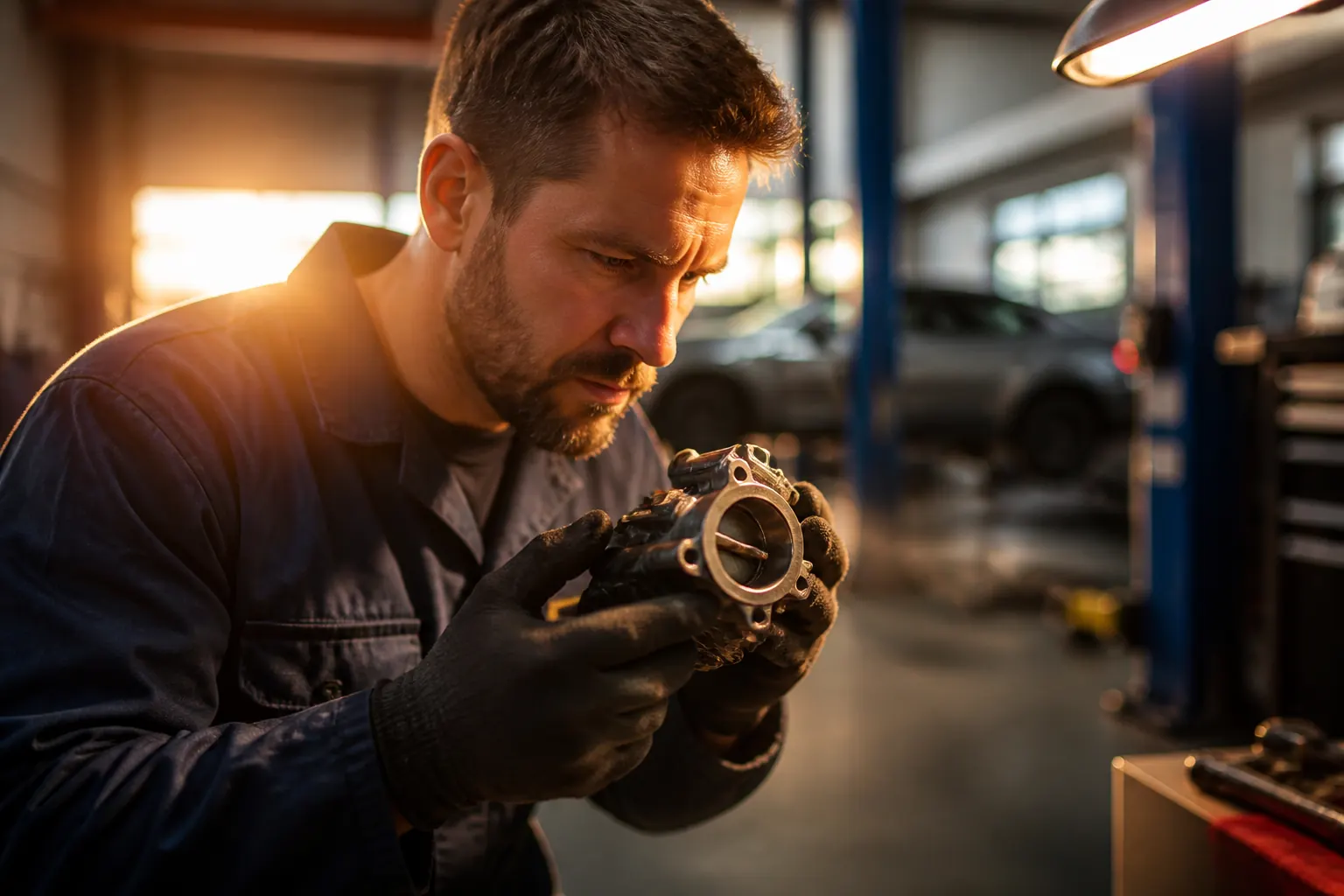
Working on the service drive, I saw the same handful of mistakes turn what should have been straightforward claims into denials. None of them required special knowledge to avoid. They just required knowing they were on the list.
Mistake 1: Starting repairs before authorization

The single most common reason claims are denied: the shop began work before the administrator authorized it. Diagnostic fees are usually exempt, but anything past diagnosis — even removing a part to look at it — can disqualify the claim if it happens before the authorization number is issued.
Fix: tell the shop, in writing if you can, that no repair work is to begin until the administrator has issued an authorization number. Good shops do this automatically. Less experienced shops sometimes don't.
Mistake 2: Missing maintenance records
Nearly every contract requires you to follow the manufacturer's recommended maintenance schedule. If you can't produce records — oil changes at the right intervals, recommended services done on time — the administrator can deny any claim where the failure could plausibly be attributed to missed maintenance.
Fix: keep a folder, digital or paper, with every service receipt. Self-performed oil changes count if you keep the receipts for the oil and filter. "I did it but didn't keep paperwork" doesn't count.
Mistake 3: Aftermarket modifications
A lift kit, an aftermarket intake, a tune, even a non-OEM trailer hitch can give the administrator grounds to deny a claim, especially if the modification is plausibly related to the failure. A claim on a transmission in a tuned vehicle is going to get extra scrutiny.
Fix: know what's on your contract regarding modifications, and either keep the vehicle stock or accept that certain claims may not be covered.
Mistake 4: Ignoring warning signs
Driving with a known issue until it becomes a bigger failure is called consequential damage, and it's a common denial reason. If your engine has been making a noise for three months and you finally bring it in after it stopped running entirely, the administrator can argue that the consequential damage from continuing to drive it caused some or all of the failure.
Fix: act on warning signs early. File the claim while the failure is small.
Mistake 5: Using a shop the administrator doesn't recognize

Most third-party plans let you use any licensed repair facility, but some have a preferred shop network, and some have specific requirements (state license, ASE certification on the technician, etc.). Using a shop that doesn't meet those requirements is grounds for denial.
Fix: call the administrator before towing the car anywhere. Ask "is [shop name] eligible to perform covered repairs under my contract?" Two minutes of upfront clarification saves a denied claim.
Mistake 6: Filing too soon after purchase
Claims filed during the waiting period get denied automatically. Claims filed shortly after the waiting period get scrutinized for pre-existing conditions. The closer to purchase the claim is, the harder it is to push through.
Fix: get the vehicle inspected before activating the contract, document the inspection results, and avoid filing during the waiting period unless absolutely unavoidable.
Shop floor: the same five mistakes, over and over
Every service advisor I know could rattle off the same short list of mistakes that turn legitimate claims into denials. Here are the ones I see most often, in roughly the order they cost people money.
First: the customer drives the car for days or weeks with a warning light on, then files the claim after a catastrophic failure. The administrator pulls the diagnostic history (yes, they can do this on most modern cars through the dealer scan tool report, and they will), sees the precursor code logged for three weeks, and denies on the grounds that continued operation caused or worsened the damage. Whenever a warning light comes on, stop, get it diagnosed within a few days, and file the claim if a covered component is involved. Don't drive on it hoping it'll go away.
Second: the customer authorizes the shop to start repairs before the claim is approved. Almost every contract requires authorization before any teardown beyond the diagnosis. If the shop pulls the transmission to confirm internal damage before the administrator signs off, the administrator can decline to pay the teardown labor — which on a transmission can be $800 to $1,200 — even if they approve the rest of the claim. The shop is supposed to know this, but on a busy Saturday morning the protocol gets skipped. Always confirm with your service advisor that authorization is in hand before they start.
Third: missing maintenance records. Already covered above and elsewhere on the site, but it bears repeating. The single most common reason a powertrain claim gets denied is the customer can't produce evidence of the manufacturer-required maintenance.
Fourth: using an unauthorized repair facility. Some contracts require pre-approval before you take the vehicle to a non-dealer shop, especially for major repairs. If you tow the car to your neighborhood independent, hand them the contract, and tell them to file, you might find out the administrator will only pay if the repair is done at one of their network shops. Always call the claims line before authorizing any work.
Fifth: modifications. A tune, a lift, oversized tires, an aftermarket cold-air intake — any modification gives the administrator a basis to deny a related claim and sometimes an unrelated one if they argue the modification stressed the failed component. If your vehicle is modified, disclose it before you buy the contract and get the administrator's response in writing.
Key takeaways
- Never let a shop begin repairs before authorization is in writing.
- Keep every maintenance receipt, including for self-performed work.
- Stock vehicles get cleaner claim outcomes than modified ones.
- Address warning signs early — consequential damage is a common denial reason.
- Confirm shop eligibility with the administrator before work begins.
Frequently asked questions
- Can I file a claim for damage I caused by driving with a known problem?
- You can file, but the administrator may deny the consequential damage portion. The original failure may still be covered if it's a covered component, but any damage caused by continuing to drive often isn't.
- Does the administrator actually check maintenance records?
- On routine small claims, often not. On larger claims ($1,500+) or claims on components affected by maintenance, almost always.
- What counts as a 'modification'?
- Anything that changes the vehicle from factory specification — lift kits, tunes, non-OEM intakes, larger wheels, performance exhausts. OEM accessories like roof racks usually don't count.
References & further reading
Continue reading
Related guides

Why Extended Warranty Claims Get Denied (And How to Avoid It)
Most claim denials trace back to one of seven causes. Here's the list — and how to get ahead of every one of them before you ever file a claim.
8 min read · Updated 18 Jun 2026

How to File an Extended Warranty Claim Without Losing Your Mind
Most claims get paid. The ones that don't usually went sideways in the first 24 hours. Here's how to keep that from being your story.
8 min read · Updated 17 Jun 2026

Your Warranty Claim Got Denied. Here's What Actually Works.
A denied claim isn't the end of the road. It's the start of a process — and most appeals succeed when the customer follows the right steps in the right order.
8 min read · Updated 16 Jun 2026