Claims
How to File an Extended Warranty Claim Without Losing Your Mind
Most claims get paid. The ones that don't usually went sideways in the first 24 hours. Here's how to keep that from being your story.

By Marcus Hale
Published 6 April 2026 · Updated 17 June 2026 · 8 min read

Filing a warranty claim isn't difficult. It's a sequence. If you do the steps in order, the claim has a very high probability of being paid. If you skip the order — most commonly by letting a shop start work before authorization — you create the exact problems people blame the warranty company for later.
Before you call anyone

Pull your contract and your maintenance records. The contract tells you the claims phone number, the deductible, and any restrictions on which shops you can use. The maintenance records — oil changes, recommended services, anything with a date and a mileage — are the documentation the administrator will ask for if the claim is anything other than trivial.
If you've been doing your own oil changes, gather the receipts for the oil and filter. They count. What doesn't count is "I changed it but didn't keep paperwork." Administrators want proof, and the burden of providing it is on you.
Picking the shop and the first call
Most third-party plans let you use any licensed repair facility. Manufacturer plans usually require a franchise dealer of the same brand. Either way, call the shop before you tow the car in, and ask one question: "Do you work with [administrator name] regularly?" If they say yes, you're in good shape. If they hesitate or say no, you can still use them, but you'll be doing more of the coordination yourself.
Tell the shop up front that the repair is going through a vehicle service contract. They'll know the routine — they need to diagnose, write up a quote, and then call the administrator for authorization before doing any work beyond diagnosis. Diagnostic fees themselves are usually not covered, but a good shop will roll them into the repair if the claim is approved.
The authorization step
This is where the claim is won or lost. The shop calls the administrator, describes the failure, and provides the parts and labor quote. The administrator decides whether to approve, partially approve, or deny.
What usually goes wrong: the administrator authorizes a labor rate of, say, $110 an hour. The shop charges $145. The administrator pays $110, and the difference comes out of your pocket. This is normal, and there's a fix: ask the shop ahead of time what they'll do if the authorized labor rate is below their posted rate. Some shops will accept the authorized rate and write off the difference for warranty work. Others won't. Knowing before you commit saves the surprise on the invoice.
The administrator may also require the shop to tear down the failure for inspection before authorizing the repair. This is normal on engine and transmission claims. Sometimes they send an inspector in person. The shop should not proceed with the repair until you have an authorization number in writing.
After the repair

Pay your deductible at pickup. Get a copy of the final invoice showing what was done, what parts were used, and the authorization number from the administrator. Keep this with your contract — if the same component fails again within the contract term, you may have a follow-up claim that's strengthened by having the original paperwork.
If anything about the repair feels rushed or incomplete, say so before you drive off. Re-claims for the same component are harder to get authorized than initial claims, and a botched repair that gets rediagnosed somewhere else can be denied as "improper repair" by the administrator. Better to address it at the original shop while the claim is still active.
A claim-day script I give my own customers
People panic on claim day. Here is the exact sequence I tell friends and family to follow, in order, when something breaks and they need to use a warranty for the first time.
Before you call anyone, write down three things: the date and mileage of the failure, what the car is doing right now (exact symptoms, when they happen, how often), and which shop you want to take it to. Having those ready means you sound prepared instead of panicked, and the adjuster will treat you accordingly. It sounds small. It isn't.
Step one is call the shop, not the warranty company. The shop has to be willing to work with your administrator — some shops won't, especially smaller independents that don't want to wait 30 days for payment. Ask them directly: "Do you accept third-party warranty payment from [administrator name]?" If they hesitate, find a different shop. The best shops have a service writer who has filed dozens of these and knows the drill.
Step two is get the diagnostic done and ask the shop to fax or email the diagnostic report along with their labor estimate to the administrator before you call to open the claim. When you call, the adjuster can pull it up immediately instead of waiting for the shop to send it. Saves a full day in my experience.
Step three: call the claims line yourself, not the shop. You are the policyholder. The adjuster will take you more seriously than the shop because they know you're the customer they could lose. Be polite but specific. "I'm filing a claim on contract number XXXX, my vehicle is at [shop name], and the shop has emailed the diagnostic and estimate. Can you confirm you've received them and tell me what the next step is?" Don't volunteer extra information about the car's history unless asked.
Step four, the part nobody tells you: ask for a claim number and the adjuster's name and direct extension before you hang up. If the claim goes sideways three days later, you don't want to start from scratch with a different person. A direct line is worth a lot when you're waiting on an authorization.
Step five: do not authorize any repair the warranty hasn't approved in writing. Verbal approvals get walked back. If the shop starts work before authorization, the warranty company is not obligated to pay, and they will use that against you. Patience here saves real money.
Key takeaways
- Pull your contract and maintenance records before you call anyone.
- Never let a shop begin repairs before the administrator issues a written authorization.
- Confirm whether the shop will accept the authorized labor rate up front.
- Keep the invoice and authorization number on file in case of a follow-up failure.
Frequently asked questions
- Do I have to use a specific shop?
- Most third-party plans let you use any licensed repair facility. Manufacturer plans typically require a franchise dealer of the same brand. Check your contract's covered facilities section.
- Who pays the shop — me or the administrator?
- On most modern plans, the administrator pays the shop directly via a credit card during the authorization call. Reimbursement plans require you to pay first and submit paperwork. Confirm which one you have before the repair.
- What if the shop's labor rate is higher than what the administrator approves?
- You're typically responsible for the difference unless the shop agrees to accept the authorized rate. Negotiate this before authorizing the work.
References & further reading
Continue reading
Related guides
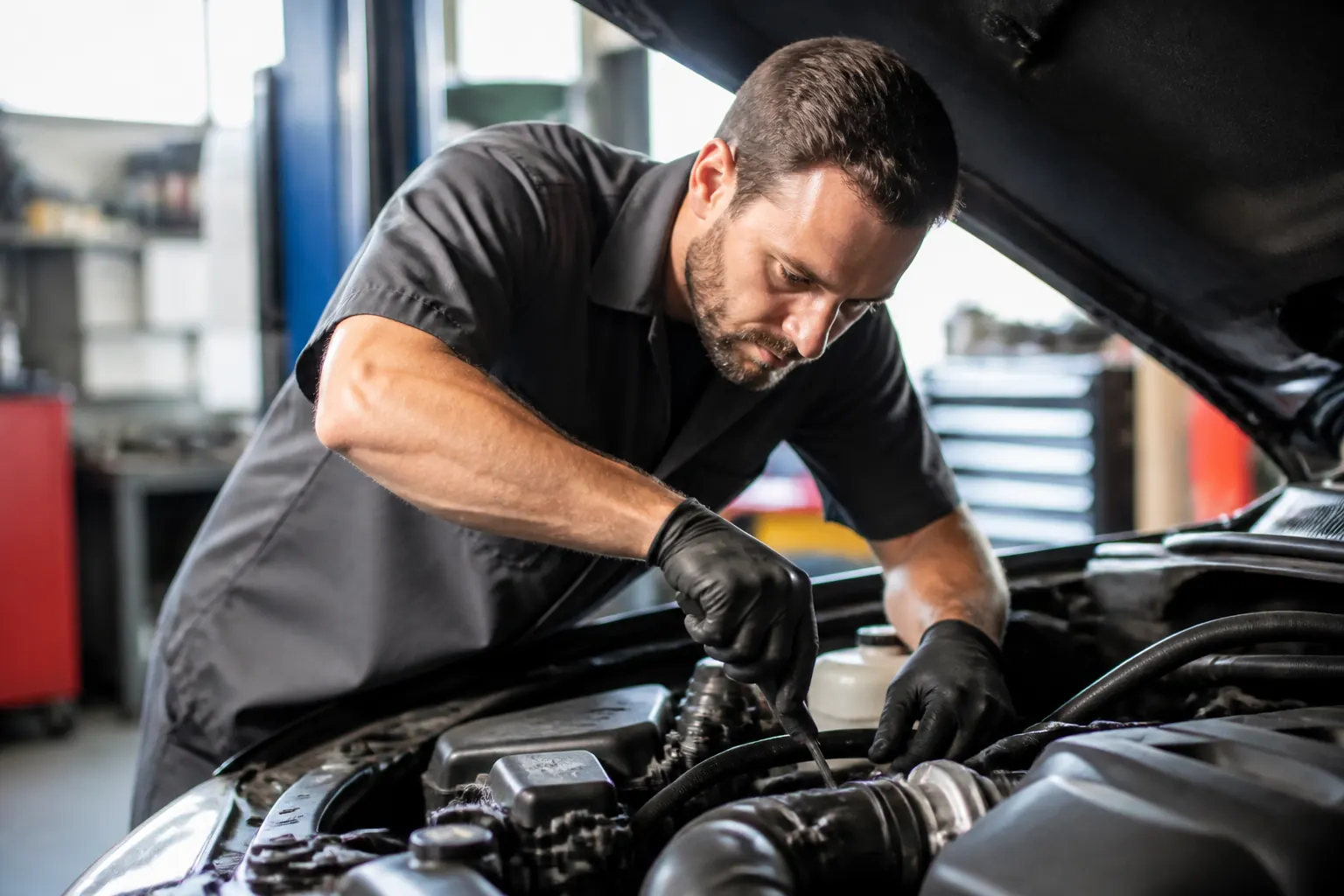
Why Extended Warranty Claims Get Denied (And How to Avoid It)
Most claim denials trace back to one of seven causes. Here's the list — and how to get ahead of every one of them before you ever file a claim.
8 min read · Updated 18 Jun 2026

Your Warranty Claim Got Denied. Here's What Actually Works.
A denied claim isn't the end of the road. It's the start of a process — and most appeals succeed when the customer follows the right steps in the right order.
8 min read · Updated 16 Jun 2026
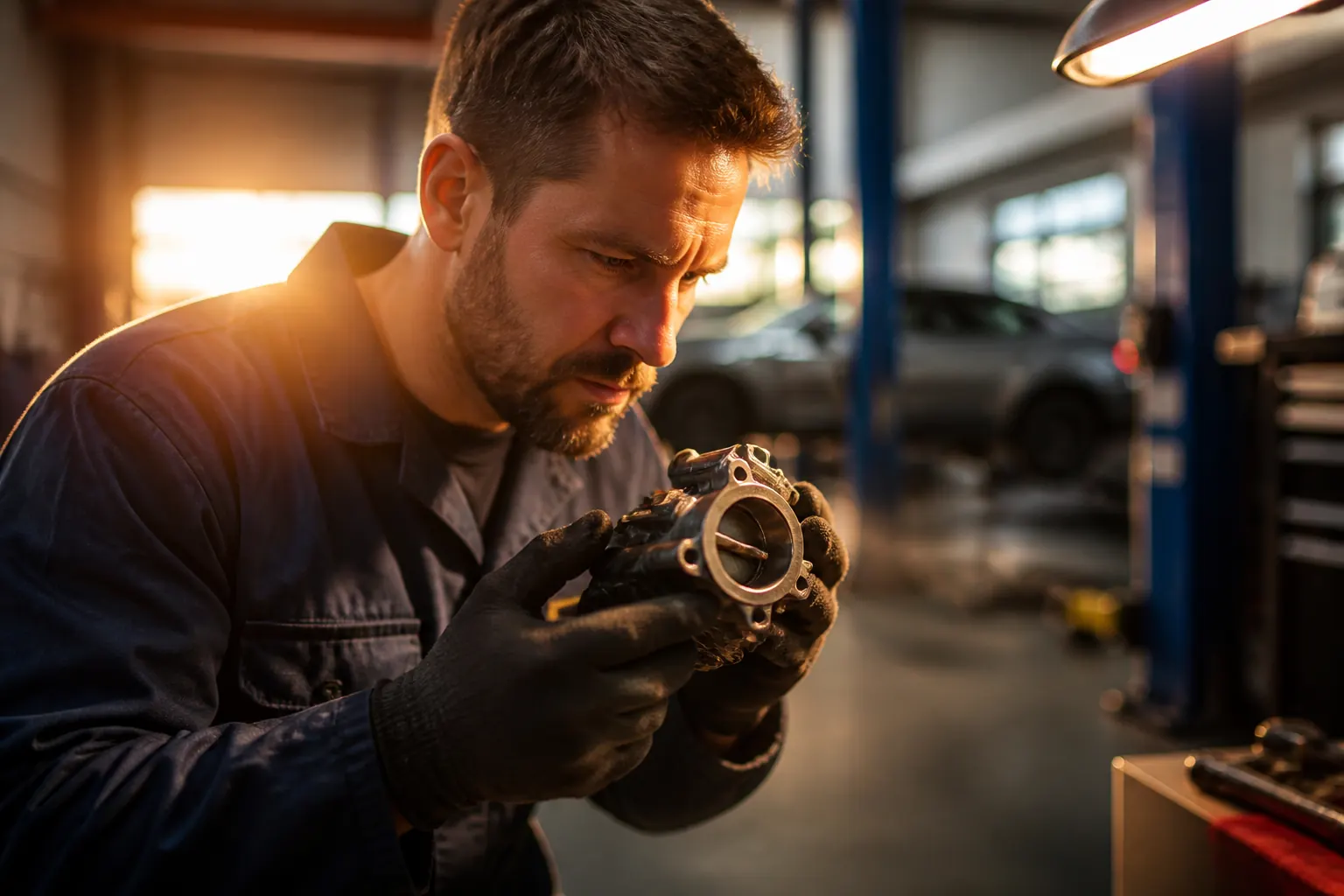
Six Mistakes That Get Warranty Claims Denied (And How to Avoid Them)
Almost every denied claim I've seen traces back to one of six avoidable mistakes. Knowing them ahead of time keeps you out of the appeals process entirely.
9 min read · Updated 23 Jun 2026