Buying
Is Tire and Wheel Protection Worth It?
Tire and wheel coverage is profitable for the dealer for a reason. Here's the honest math on whether it pays off for you.

By Marcus Hale
Published 22 March 2026 · Updated 24 June 2026 · 6 min read
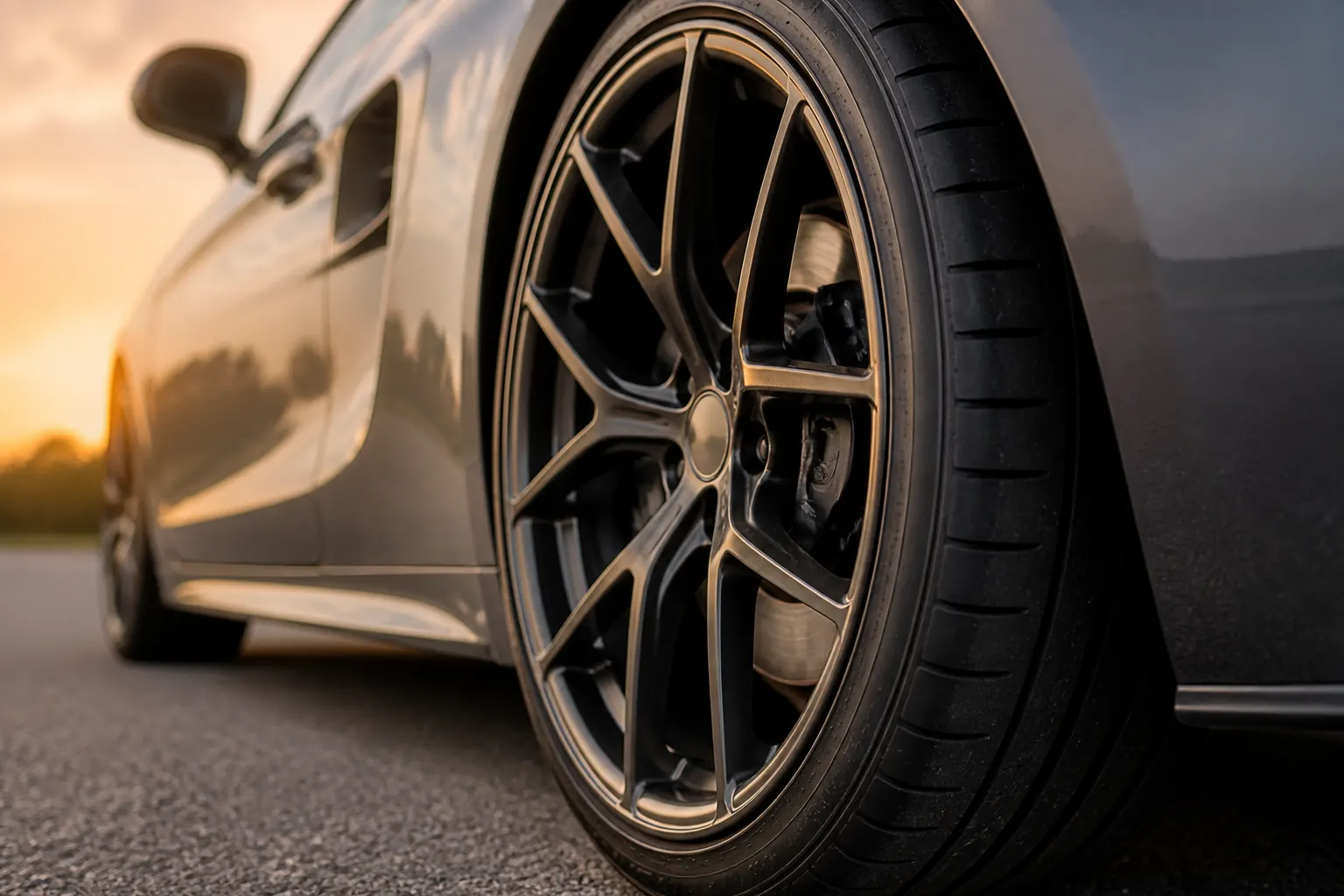
Tire and wheel protection is one of the highest-margin products sold at the F&I desk. That doesn't automatically mean it's a rip-off — for the right driver in the right car, it does pay off — but it's the product I see oversold the most often. Here's how to tell whether it's worth it in your specific situation.
What tire and wheel coverage actually covers
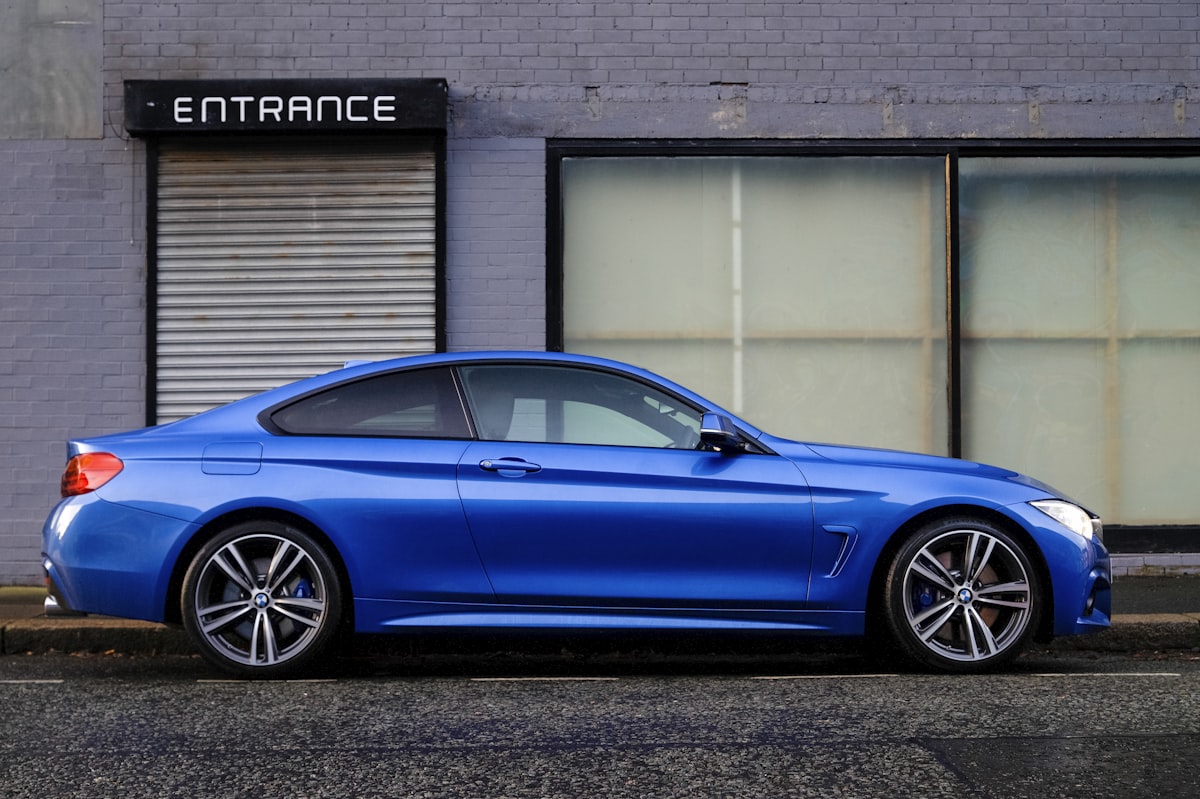
A typical plan covers damage to tires and wheels caused by road hazards: potholes, nails, glass, debris, blown tires from running over something sharp. It does not cover normal wear, dry rot, alignment issues, manufacturing defects (those go through the tire warranty), curb rash (sometimes), or cosmetic wheel damage from washing.
Coverage usually includes the cost of repair or replacement, plus mounting, balancing, and the road-hazard fee. Better plans include cosmetic wheel repair and curb rash. Lesser plans exclude cosmetic damage entirely, which is the most common reason people would actually use the coverage.
The math, with real numbers
The dealer's pitch typically goes: "You'll save money the first time you blow a tire." Here's the actual math. A common dealer plan runs $700 to $1,200 for five years. A new tire on a mainstream car costs $150 to $250 installed. On a luxury car with 20-inch low-profile tires, a new tire can run $400 to $600.
For the mainstream car, you'd need to blow three to five tires over five years for the plan to break even. The average driver blows roughly one tire every three to four years. So on a Civic with 17-inch wheels, the math usually doesn't work.
For the luxury car with 20s or 21s, the math flips. Two replacements over five years and you're ahead. Performance tires on low-profile sidewalls are more vulnerable to pothole damage, and a single bent 21-inch alloy wheel can run $1,200 to $2,000 to replace. The coverage starts looking reasonable.
When it actually makes sense
I'd consider it if you check most of these boxes:
- Your wheels are 20 inches or larger
- Your tires are W- or Y-rated performance rubber
- You commute on roads with bad pavement (urban East Coast, older Midwest cities)
- You can't comfortably absorb a $1,500 surprise
- The plan you're being offered includes cosmetic wheel repair
If three or more apply and the plan price is at or below $700 for five years, the expected-value math is roughly neutral to slightly positive. With curb rash coverage included, it leans positive.
When to pass

Skip it if:
- Your wheels are 17 inches or smaller and your tires cost under $200 installed
- You drive mostly highway in a state with well-maintained roads
- The plan excludes cosmetic damage
- The price is above $1,000 for five years on a mainstream vehicle
- Your tire manufacturer already includes a road hazard warranty (Michelin, Goodyear, and others bundle this on certain lines)
Cheaper alternatives
Most national tire chains (Discount Tire, America's Tire, NTB, and others) sell their own road hazard warranty at the point of tire purchase. The pricing is typically $20 to $30 per tire and covers replacement at the same store. For a set of four tires, that's $80 to $120 — roughly one-tenth the cost of a typical dealer plan, and it covers the same risk.
The trade-off: the tire-store warranty only applies to tires bought at that store, and usually doesn't cover wheel damage. If you're already a Discount Tire customer, that's probably enough. If you want full cosmetic and structural wheel coverage on $1,500 alloys, you'll need a real tire-and-wheel plan, but ideally one bought from an independent provider rather than at the F&I desk.
From the shop floor: the math on tire and wheel plans
I've watched tire and wheel coverage save customers a few times and waste their money far more often. The variable that matters most is something almost nobody asks at the F&I desk: what size wheels does the car have and what's the run-flat situation?
A customer with a Civic on 17-inch wheels and standard tires has maybe a $180 worst-case scenario — one tire, mounted and balanced. Tire and wheel coverage at $800 for 4 years has to prevent four pothole incidents before it breaks even. Most people don't have four irreparable tire failures in four years on a Civic.
Same coverage on a 5-Series with 20-inch staggered run-flats? Different math entirely. One run-flat tire in 275-width is $480 mounted. Bend a wheel and you're at $900 to $1,400 for a replacement rim. The same $800 plan can pay for itself with one bad pothole on the way to work. I've seen it happen — a customer hit a sinkhole on the highway, blew out both right-side tires and bent both wheels, and the tire and wheel plan paid $2,100 of a $2,600 ticket.
The other variable: where you drive. Urban driving with bad road maintenance changes the calculation. Suburban driving on highway commute doesn't. If you live somewhere with constant construction or notorious potholes, the coverage gets more defensible regardless of vehicle. If you garage the car and drive smooth highway most of the year, it's almost always a waste.
One thing the F&I sheet won't tell you: most tire and wheel plans exclude curb rash on wheels (cosmetic damage) and any tire damage from worn tread. So if your tires were already low when you hit the pothole, the claim gets denied for "failure not consistent with adequate tread." Read the conditions before you assume the coverage is broad.
Key takeaways
- Tire and wheel plans are profitable for the dealer because most buyers never break even.
- Coverage usually pays off on cars with 20-inch or larger wheels and low-profile performance tires.
- On mainstream cars with 17-inch wheels, the math almost never works.
- Tire-shop road hazard warranties cost a tenth as much and cover the most common risk.
Frequently asked questions
- Does my car insurance cover blown tires?
- Comprehensive coverage usually covers tire damage from vandalism but not road hazards. Some policies have a road hazard option, but it's uncommon and typically not worth it.
- Can I add tire and wheel protection later?
- Some third-party providers sell it after the fact, but the dealer usually can't add it after delivery. The window is small.
- Is curb rash usually covered?
- Only on plans that explicitly include cosmetic wheel repair. Read the contract — many basic plans exclude it.
References & further reading
Continue reading
Related guides

When an Extended Car Warranty Is Worth It (And When to Walk Away)
Extended coverage genuinely pays off in a narrow set of situations. Here's the framework I use to decide, plus the scripts for declining at the F&I desk.
8 min read · Updated 10 Jun 2026

Should You Buy an Extended Warranty at the Dealership? (Usually Not)
The dealer isn't the only place that sells coverage on your car, and it's almost never the cheapest. Here's how to tell when their offer is worth taking anyway.
8 min read · Updated 13 Jun 2026
Extended Warranty Cost by Vehicle Type: What You'll Actually Pay
Pricing varies by far more than mileage. The class of vehicle you drive determines whether the same coverage costs $1,500 or $4,200.
6 min read · Updated 23 Jun 2026